ROADFLEX RF900
ROADFLEX RF900 is a ready-to-use, high-quality polymer dispersion designed for the targeted modification of concrete for demanding applications in building construction, civil engineering, and structural engineering. By specifically improving the concrete structure, the performance of the concrete - in terms of impermeability, durability, and mechanical properties - is significantly enhanced.
The polymer dispersion optimizes both the adhesion and cohesion of the entire concrete system, thereby improving internal bonding as well as adhesion to various substrates. As a result, ROADFLEX RF900 is particularly well-suited for applications with high requirements for bond strength, resistance to environmental influences, and resistance to water pressure.
Concrete modified with ROADFLEX RF900 is characterized by improved workability, particularly due to optimized flow and compaction properties, as well as a reduced tendency to segregate.
At the same time, this promotes the formation of a denser structure, which reduces water absorption and increases resistance to chemical and physical attack.
Polymer modification also reduces the concrete’s susceptibility to cracking, while simultaneously improving its durability and resistance to frost and de-icing salt damage, as well as to the effects of CO₂. ROADFLEX RF900 thus contributes significantly to extending the service life of concrete structures and supports cost-effective and sustainable construction practices.
ROADFLEX RF900 truly demonstrates its advantages, particularly in the construction of liquid-tight concrete structures, in shotcrete, and in concrete protection and repair projects. In addition, the product is suitable for applications with high requirements for adhesion, impermeability, and structural integrity, such as in bonding systems between old and new concrete.
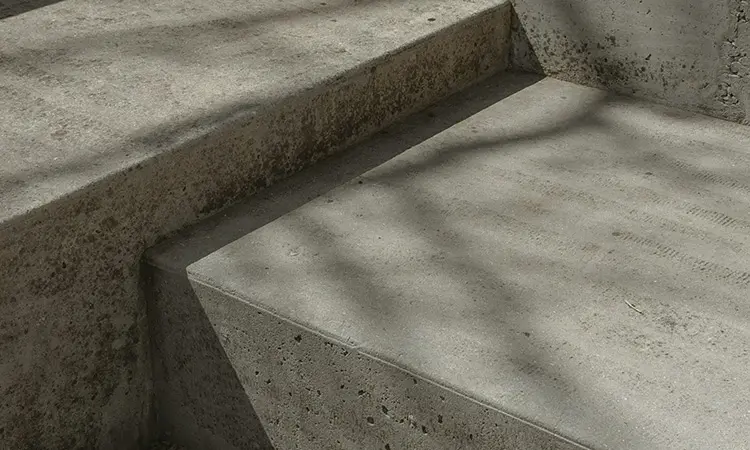
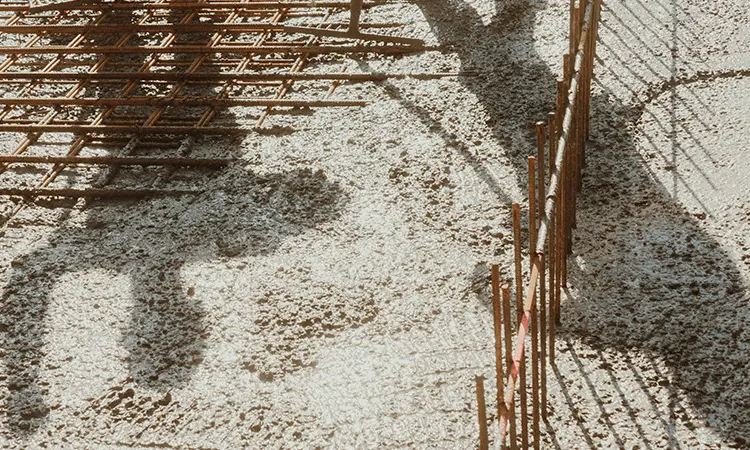
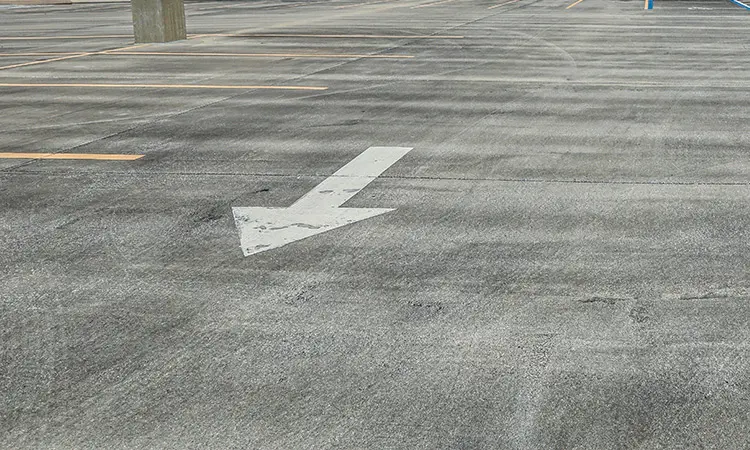
FEATURES AND BENEFITS OF THE ROADFLEX RF900 CONSTRUCTION METHOD
- Increased adhesion and cohesion of the concrete system.
- Improved adhesion to dry and damp substrates.
- Increased resistance to chemical attack and environmental influences.
- Significantly improved frost and thaw resistance.
- Increased impermeability and significantly reduced water absorption.
- Extended service life of concrete structures due to increased durability.
- Higher flexural strength and increased durability.
- Reduced susceptibility to cracking due to optimized stress distribution in the concrete.
- Improved cohesion of fresh concrete.
- Optimized flow and compaction properties for easy placement.
- Reduced tendency to segregate, resulting in a homogeneous concrete structure.
- Improved workability even in challenging placement situations.
- Reduced rebound in shotcrete applications.
- Economic benefits due to lower material losses and more efficient processing.
- Improved CO₂ resistance of the concrete.